

About the Center for OCD
The Center for OCD at Cognitive Behavior Institute provides specialized outpatient services for children, adolescents, and adults struggling with Obsessive-Compulsive Disorder. Our mission is to deliver compassionate, client-centered care using the most effective, research-supported treatments available.
Founded to address the unique needs of individuals with OCD, our Center focuses on Exposure and Response Prevention (EX/RP), the gold-standard cognitive-behavioral therapy for OCD, while providing education to reduce stigma and debunk misconceptions about the disorder.
We recognize that OCD treatment can be challenging, so we create individualized care plans that combine structured, effective interventions with empathy, collaboration, and encouragement. Our goal is to help clients confront fears, reduce compulsive behaviors, and regain freedom in their daily lives.
What We Treat
- Obsessive-Compulsive Disorder (OCD)
- Intrusive thoughts and images
- Compulsive rituals and repetitive behaviors
- Health-related obsessions
- Contamination fears and cleaning compulsions
- Checking behaviors
- Symmetry, ordering, and arranging compulsions
- Harm obsessions
- Scrupulosity (religious or moral obsessions)
- Perfectionism and intolerance of uncertainty
Specialized, Evidence-Based OCD Treatment
OCD can involve distressing intrusive thoughts, images, urges, or doubts that lead individuals to engage in compulsions, rituals, reassurance seeking, avoidance, or other behaviors intended to reduce anxiety or prevent a feared outcome. Although these responses may provide temporary relief, they can reinforce the cycle of OCD and increasingly interfere with everyday life.
At the Center for OCD, treatment is designed to help patients understand this cycle, gradually change their responses to obsessive fears, and regain greater freedom in their daily lives.
Exposure and Response Prevention (EX/RP)
Exposure and Response Prevention (EX/RP) is a specialized form of Cognitive Behavioral Therapy (CBT) and the primary evidence-based treatment approach used by clinicians within the Center for OCD.
EX/RP helps patients gradually and systematically face thoughts, situations, images, sensations, or other triggers associated with obsessive distress while learning to reduce or refrain from the compulsions and rituals that maintain the OCD cycle.
Treatment is collaborative and progresses at a pace that appropriately challenges the patient while supporting their ability to develop greater confidence in responding differently to OCD.
What OCD Treatment at CBI May Include
Evidence-Based Assessment
Treatment begins with an assessment of the patient's symptoms, including the nature and severity of obsessions, compulsions, avoidance, functional impairment, and other concerns that may influence treatment.
Education About OCD
Understanding how OCD works is an important part of treatment. Clinicians help patients recognize the relationship among intrusive thoughts, anxiety and distress, compulsive responses, avoidance, and the short-term relief that can unintentionally reinforce OCD over time.
Individualized Treatment Planning
OCD can look very different from one person to another. Treatment is individualized around the patient's specific symptoms, triggers, compulsions, functional difficulties, goals, developmental needs, and preferences.
Collaborative Exposure Practice
The patient and clinician work together to identify situations, thoughts, or experiences that trigger OCD and develop structured opportunities to practice approaching these experiences rather than avoiding them.
Response Prevention
Patients learn to recognize and gradually reduce compulsive responses such as checking, washing, repeating, reassurance seeking, mental rituals, reviewing, avoidance, or other behaviors that reinforce the OCD cycle.
Practicing Skills Between Sessions
Because OCD affects life outside the therapy office, patients may practice EX/RP strategies between sessions to strengthen new learning and apply treatment skills in everyday situations.
Progress Monitoring & Feedback
Clinicians use ongoing assessment, patient feedback, and progress toward treatment goals to evaluate response to treatment and make adjustments when appropriate.
Family & Caregiver Involvement
For children and adolescents, and for adults when appropriate, family members may be incorporated into treatment. Clinicians can help loved ones understand OCD, recognize ways they may unintentionally accommodate symptoms, and learn how to support recovery without reinforcing compulsions.
Coordination With Psychiatry
Medication can be an effective component of OCD treatment for some patients. When clinically indicated, clinicians may recommend consultation with a prescribing provider so that medication options can be considered alongside psychotherapy.
Compassionate Care While Doing Difficult Work
We recognize that EX/RP requires patients to intentionally approach experiences that OCD has taught them to fear or avoid. Effective treatment therefore requires more than simply asking someone to "face their fears."
Our clinicians emphasize collaboration, transparency, compassion, and patient feedback throughout treatment. Patients are educated about the purpose of EX/RP, involved in treatment decisions, and supported as they gradually develop greater confidence in responding differently to OCD.
The goal is not to eliminate every unwanted thought or achieve complete certainty. Rather, treatment helps patients reduce the control OCD has over their choices and develop greater freedom to participate in the relationships, responsibilities, and activities that matter to them.
Services Offered
The Center for OCD provides specialized services for children, adolescents, and adults affected by OCD and related concerns.
Individual OCD Therapy
Individual EX/RP-based treatment tailored to the patient's specific obsessions, compulsions, avoidance patterns, functional difficulties, and treatment goals.
Child & Adolescent OCD Treatment
Developmentally appropriate EX/RP for children and adolescents, with parent or caregiver involvement incorporated when clinically appropriate.
Family & Caregiver Support
Education and guidance to help parents, partners, and family members better understand OCD, reduce patterns of family accommodation, and support the patient's treatment and recovery.
Group Therapy
Group-based OCD services may be offered based on current programming and availability, providing opportunities to develop skills and address OCD alongside others with similar experiences.
Professional Consultation & Training
Individual and group consultation, EX/RP-focused education, and training opportunities are available for mental health professionals seeking to strengthen their knowledge and skills in OCD treatment.
Community Education & Outreach
The Center works to increase understanding of OCD and reduce stigma and misconceptions through educational resources, CBI articles, presentations, and activities associated with International OCD Awareness Week.
In-Person & Virtual Care
Individual OCD treatment is available in person and virtually based on clinical appropriateness, provider availability, and applicable practice requirements. Availability and format of groups, consultation, and training may vary.
Meet the Team
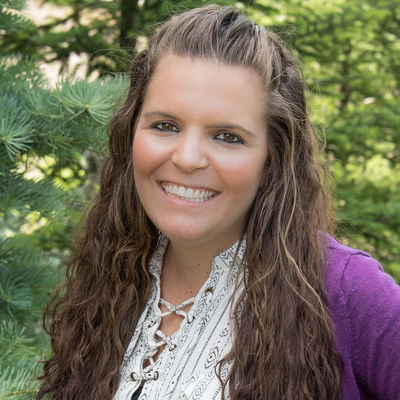
Nicole Gibson, LPC, NCC
Center Consultant
Licensed Professional Counselor.
Our multidisciplinary team includes licensed psychologists, professional counselors, clinical social workers, and therapists trained and certified in EX/RP. The Center recognizes clinicians as EX/RP Certified Therapists, who have completed formal certification in Exposure and Response Prevention, and EX/RP Trained Therapists, who have received specialized training in EX/RP for OCD.
Resources & Community Engagement
The Center for OCD offers free presentations during International OCD Awareness Week each Fall.
Blogs
- The End Stage of OCD Treatment
- The effects of OCD on work, school, and social functioning
- Self-Care for OCD
- What is Thought-action Fusion
- OCD Lingo
- Levels of Care for OCD Treatment
Books for Adults Diagnosed With OCD
- Freedom From Obsessive-Compulsive Disorder: A Personalized Recovery Program for Living with Uncertainty, by Jonathan Grayson, PhD
- Getting Over OCD: Second Edition, A 10-Step Workbook for Taking Back Your Life, by Jonathan S. Abramowitz, PhD
- Rewind Replay Repeat: A Memoir of Obsessive Compulsive Disorder, by Jeff Bell
- Stop Obsessing! How to Overcome Your Obsessions and Compulsions, by Edna B. Foa, PhD and Reid Wilson, PhD
- The Imp of the Mind: Exploring the Silent Epidemic of Obsessive Bad Thoughts, by Lee Baer, PhD
- The OCD Workbook: Your Guide for Breaking Free from Obsessive-Compulsive Disorder, 3rd Edition, by Bruce Hyman, PhD and Cherlene Pedrick, RN
Books for Children and Adolescents Diagnosed With OCD
- A Thought Is Just A Thought: A Story of Living With OCD, by Leslie Talley
- Blink, Blink, Clop, Clop: Why Do We Do Things We Can't Stop? An OCD Storybook, by E. Katia Moritz, PhD and Jennifer Jablonsky
- Mr. Worry: A Story About OCD, by Holly L. Niner
- No One Is Perfect and YOU Are a Great Kid, by Kim Hix
- Up and Down the Worry Hill: A Children's Book About Obsessive Compulsive Disorder and Its Treatment, by Aureen Pinto Wagner, PhD
- What To Do When Your Brain Gets Stuck: A Kid's Guide to Overcoming OCD, by Dawn Huebner, PhD
- You Do That, Too? Adolescents and OCD, by Jose Arturo and Rena Benson
Books for Family Members
- Freeing Your Child From Obsessive Compulsive Disorder, by Tamar E. Chansky, PhD
- Loving Someone with OCD: Help for You and Your Family, by Karen J. Landsman, PhD, Kathleen M. Rupertus, MA, MS, and Cherry Pedrick, RN
- Talking Back to OCD: The Program That Helps Kids Say "No Way" and Parents Say "Way To Go", by John S. March, PhD
- The Family Guide to Getting Over OCD: Reclaim Your Life and Help Your Loved Ones, by Jonathan S. Abramowitz, PhD
- What To Do When Your Child Has Obsessive Compulsive Disorder: Strategies and Solutions, by Aureen Pinto Wagner, PhD
- When a Family Member has OCD: Mindfulness and Cognitive Behavioral Skills to Help Families Affected by Obsessive-Compulsive Disorder, by Jon Hershfield, MFT
- Breaking Free of Child Anxiety and OCD, by Eli R. Lebowitz, PhD
DVDs
- Unstuck: An OCD Kids Movie
Podcasts
- Beyond the Doubt
- The Anxiety Savvy Podcast
- The OCD Stories
Apps
- NOCD
- OCD Challenge
Ways to Get Involved
Through the International OCD Foundation (IOCDF), there are many ways to get involved:
- Become an IOCDF Grassroots Advocate
- Connect with an advocate in your area
- IOCDF Annual OCD Conference
- Join a support group
- Join one of IOCDF's virtual talks
- One Million Steps for OCD Walk