

About the Center for Trauma
The Center for Trauma at Cognitive Behavior Institute provides specialized outpatient services for individuals, families, and children who have experienced the lasting effects of trauma. We understand that traumatic events, whether recent or in the past, can deeply impact mental health, relationships, and overall quality of life.
Founded with the mission to deliver exceptional, empirically-supported care, our Center empowers clinicians with specialized training, resources, and trauma-focused peer consultation. Our team is experienced in evidence-based therapies proven to help people reclaim a sense of safety, trust, and personal strength.
Whether your trauma stems from violence, abuse, loss, accidents, or other life-changing events, we work with you, at your pace, to build coping skills, foster resilience, and create a path forward.
What We Treat
You do not need to have a diagnosis of PTSD to benefit from trauma-focused treatment. Individuals may seek care following a single traumatic event, repeated or prolonged experiences, childhood trauma, or other events that continue to affect their emotional well-being, relationships, or daily functioning.
Our clinicians work with concerns including:
- Post-Traumatic Stress Disorder (PTSD)
- Complex and repeated traumatic experiences
- Childhood trauma
- Physical, sexual, or emotional abuse
- Neglect
- Violence, crime, or assault
- Witnessing domestic or community violence
- Accidents and other life-threatening experiences
- Traumatic grief and loss
- Anxiety, panic, or persistent fear following trauma
- Depression associated with traumatic experiences
- Avoidance of trauma reminders
- Difficulties with trust or relationships following trauma
- Emotional regulation difficulties
- Changes in functioning following traumatic experiences
How We Help: Individualized, Evidence-Based Trauma Treatment
There is no single trauma treatment that is right for every patient.
Some individuals benefit from directly processing traumatic memories. Others may initially need support developing coping skills, improving emotional regulation, strengthening relationships, or restoring a sense of safety and stability. Children and adolescents may benefit from approaches that actively involve parents or caregivers.
Our clinicians work collaboratively with patients to identify an approach based on their age and developmental needs, symptoms, type and impact of trauma, treatment goals, preferences, and the evidence supporting different treatment options.
Depending on clinical needs and provider expertise, treatment may include one or more of the following approaches:
For Adults
Cognitive Processing Therapy (CPT)
CPT is an evidence-based cognitive behavioral treatment for PTSD that helps individuals identify and modify unhelpful beliefs or "stuck points" that can develop following trauma. Treatment helps patients develop a more balanced understanding of the traumatic experience and reduce its ongoing effects on thoughts, emotions, and daily life.
Prolonged Exposure Therapy (PE)
PE is an evidence-based treatment for PTSD that helps individuals gradually and safely approach trauma-related memories, feelings, and situations they have been avoiding. Through structured exposure, patients learn that trauma memories and reminders can be experienced without needing to escape or avoid them, reducing fear and avoidance over time.
Eye Movement Desensitization and Reprocessing (EMDR)
EMDR is a structured trauma therapy that helps individuals process distressing memories while using bilateral stimulation, such as guided eye movements, sounds, or tactile stimulation. Treatment is designed to reduce the emotional intensity and ongoing impact of traumatic memories.
Internal Family Systems (IFS)
IFS helps individuals identify and understand different internal "parts" that may carry painful emotions, protective responses, or beliefs connected to difficult experiences. The approach emphasizes compassion, self-understanding, and reducing internal conflict as part of the healing process.
For Children & Adolescents
Trauma-Focused Cognitive Behavioral Therapy (TF-CBT)
TF-CBT is an evidence-based treatment for children and adolescents affected by trauma. It combines trauma-focused interventions with cognitive behavioral strategies, coping and emotional-regulation skills, gradual trauma processing, and caregiver involvement. A diagnosis of PTSD is not required to benefit from TF-CBT.
Play and Art-Based Interventions
Developmentally appropriate play and creative interventions can help children communicate experiences and emotions that may be difficult to express verbally, develop coping skills, and work toward recovery in ways that fit their developmental level.
Relational & Expressive Approaches
Family Therapy
Trauma can affect not only an individual but the entire family system. Family therapy can help family members improve communication, address conflict, strengthen relationships, establish healthy boundaries and roles, and develop greater confidence in responding to stress and future challenges. Learn more at our Center for Couples & Family.
Art Therapy
Art Therapy integrates creative expression with psychotherapy to help individuals communicate experiences, process trauma and grief, develop greater self-awareness, and move toward healing and growth.
Choosing the Right Trauma Treatment
You do not need to determine which trauma therapy you need before contacting us. Our clinicians will work with you to understand what you are experiencing and identify treatment options that fit your clinical needs and goals. Trauma treatment may involve directly processing traumatic experiences, strengthening coping and emotional-regulation skills, improving relationships and functioning, or a combination of approaches.
Services Offered
The Center for Trauma provides specialized outpatient services for children, adolescents, adults, and families, including:
Individual Trauma Therapy
Individual psychotherapy for adolescents and adults experiencing trauma-related symptoms or difficulties.
Child & Adolescent Trauma Therapy
Developmentally appropriate treatment for children and adolescents affected by traumatic experiences, with caregiver involvement when clinically appropriate.
Family Therapy
Treatment for families experiencing relational, communication, parenting, or family-system difficulties associated with trauma.
Parent & Caregiver Support
Education, guidance, and treatment involvement to help parents and caregivers understand trauma responses and effectively support a child or adolescent's recovery.
Specialized Trauma-Focused Treatment
Access to clinicians trained in specialized approaches such as CPT, PE, EMDR, TF-CBT, PCIT, Art Therapy, and other trauma-informed interventions based on provider expertise and clinical appropriateness.
In-Person & Virtual Care
Trauma services are available in person and through telehealth when clinically appropriate and based on provider availability.
Meet the Team
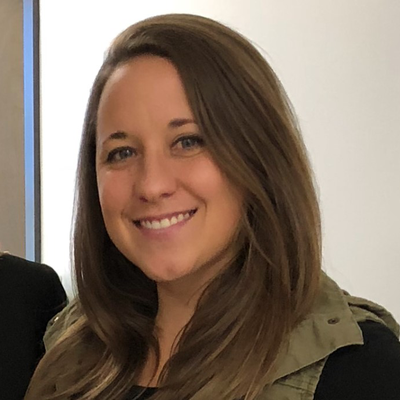
Megan Cook, MA, ATR-BC, LPC
Center Consultant
Licensed Professional Counselor, Board Certified Art Therapist. Certified Level 1 EMDR Therapist with expertise in art therapy, PCIT, and Trauma-Focused CBT. Specializes in helping children and families repair relational wounds caused by trauma.
Our multidisciplinary team includes licensed psychologists, professional counselors, clinical social workers, and marriage and family therapists.
Meet Our Trauma-Focused Providers
Resources & Community Engagement
Local Trauma & Victim Support
- Center for Victims: Local support, counseling, advocacy, and resources for individuals and families affected by violence, crime, and trauma.
- Pittsburgh Action Against Rape (PAAR): Counseling, advocacy, prevention, and support for individuals affected by sexual violence.
- Women's Center & Shelter of Greater Pittsburgh: Support, advocacy, and resources for individuals and families affected by intimate partner violence.
Trauma Education & Support
- National Child Traumatic Stress Network (NCTSN): Evidence-informed information and resources about childhood trauma for children, adolescents, parents, caregivers, and professionals.
- National Center for PTSD: Comprehensive, research-based information about trauma, PTSD, recovery, and evidence-based treatment for adults and families. Although developed by the U.S. Department of Veterans Affairs, many of its educational resources are designed for both Veterans and civilians.
- PTSD Treatment Decision Aid (National Center for PTSD): An interactive resource that helps individuals learn about and compare evidence-based PTSD treatments, including Cognitive Processing Therapy, EMDR, Prolonged Exposure, Written Exposure Therapy, and medication options.
- RAINN: National information, education, and support resources for individuals affected by sexual violence.
- EMDR International Association: Educational information for individuals interested in understanding Eye Movement Desensitization and Reprocessing (EMDR) therapy and how it is used in trauma treatment.
Recommended Reading
- Waking the Tiger: Healing Trauma, by Peter A. Levine. Explores the physiological experience of trauma and the relationship between the body, nervous system, and trauma recovery.
- What My Bones Know: A Memoir of Healing from Complex Trauma, by Stephanie Foo. A personal exploration of complex trauma and the author's experience understanding its effects and pursuing recovery.
- Trauma and Recovery, by Judith Herman, MD. A foundational work examining the psychological effects of trauma and the processes of safety, remembrance, reconnection, and recovery.
- The Body Keeps the Score: Brain, Mind, and Body in the Healing of Trauma, by Bessel van der Kolk, MD. A widely read exploration of how trauma can affect the brain, body, relationships, and psychological functioning.
- The Boy Who Was Raised as a Dog, by Bruce D. Perry, MD, PhD and Maia Szalavitz. Uses clinical stories to explore the effects of childhood trauma on development and the importance of relationships in healing.